Mosaic Colorwork Christmas Stocking: Free Pattern & YouTube Tutorial
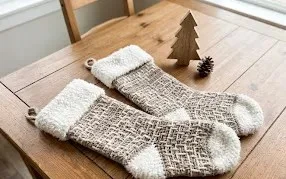
A crisp mosaic pattern gives this crochet Christmas stocking a graphic, woven look, with contrasting colors that stand out on a mantel or beside the tree. The finished stocking has a cozy, textured feel and a handmade shape that suits holiday decorating, thoughtful gifts, and a quiet evening with a hook and yarn. Mosaic colorwork can look detailed, but it builds from familiar crochet stitches and a repeat you can follow row by row. In the pattern, you’ll learn how to carry the design through the fabric, keep the color changes tidy, and shape the stocking so it is ready to hang. The YouTube video tutorial offers a visual guide as you work, making this a satisfying project for crocheters who enjoy seeing a bold pattern emerge from simple stitches.
Why You’ll Love This Pattern
A square of worsted cotton makes a useful dishcloth that can go straight from the kitchen sink to the washing machine. This beginner-friendly pattern uses single crochet throughout, so you can focus on keeping the edges even rather than learning several stitches. Its firm fabric is suited to wiping counters and washing dishes, and the simple shape is easy to make in a favorite color or with leftover cotton yarn.
The repeated rows are a good way to practise consistent tension, and the finished cloth is small enough to complete in an evening. A crocheter’s sample note: the plain texture made it easy to keep count, and the cloth held its square shape after washing.
The simple rows were easy to follow, and I had a useful dishcloth ready by the end of the evening.
— Mara, beginner crocheter
Pattern Overview & Skill Level
- Skill Level: Beginner. You need to know how to chain and make a single crochet stitch.
- Approximate Time: 2–3 hours, depending on your crochet speed and tension.
- Construction: A flat square worked back and forth in rows, with one single crochet in each stitch. The starting chain provides the width; there are no increases, decreases, seams, or border.
- Finished Dimensions & Sizing: Approximately 6.7 × 6.7 in (17 × 17 cm), before washing. Dimensions depend on your gauge and yarn.
Materials & Supplies Needed
- Yarn: About 65 yd (60 m) of worsted-weight cotton yarn, US category #4. Use one color, or change colors between rows, allowing extra yarn for ends.
- Hook: 5.0 mm / H-8 crochet hook. If your fabric is loose or has visible gaps, try a 4.5 mm / 7 hook; if it feels stiff, try 5.5 mm / I-9.
- Notions: Tapestry needle for weaving in ends, scissors, and a ruler or measuring tape. A stitch marker is optional for marking the first stitch of a row.
- Substitutions: Choose a smooth, washable cotton yarn of similar thickness. Cotton blends can work, but synthetic fibers may absorb water differently. A thicker yarn or larger hook will make a larger, heavier cloth; a thinner yarn or smaller hook will make a smaller, denser one. Check the label for care instructions before substituting.
Stitch Guide & Abbreviations (US Terms)
- ch: Chain.
- sc: Single crochet. Insert the hook into the indicated stitch, yarn over and pull up a loop, then yarn over and pull through both loops on the hook.
- st(s): Stitch or stitches.
- yo: Yarn over, meaning to wrap the yarn over the hook.
The turning chain does not count as a stitch in this pattern. At the start of each row, make 1 ch and work the first sc into the first stitch of the previous row. This keeps the stitch count steady and helps prevent tapered edges.
Step-by-Step Pattern Instructions
Dishcloth
With worsted cotton and a 5.0 mm / H-8 hook, make a foundation chain of 31. Keep the chain relaxed so the lower edge does not pull in. The first single crochet is worked in the second chain from the hook, leaving 30 stitches across.
- Row 1: Sc in the second ch from the hook and in each ch across. Turn. (30 sts)
- Row 2: Ch 1, sc in each st across, working the first sc into the first stitch. Turn. (30 sts)
- Rows 3–30: Repeat Row 2. Count each row as you finish it; each must have 30 sc. (30 sts per row)
Finishing
After Row 30, fasten off, leaving a tail of about 6 in (15 cm). Pull the tail through the loop on your hook and thread it onto a tapestry needle. Weave the end through several stitches on the wrong side, change direction, and weave through a few more stitches so it stays secure. Repeat with the starting tail. Avoid pulling the ends so tightly that the fabric gathers.
Lay the cloth flat and check that it measures close to 6.7 in (17 cm) on each side. If it is notably wider or narrower, use the gauge and sizing advice below for your next cloth. There is no separate edging to join, and no seams to sew.
Care & Washing Instructions
- For cotton yarn, wash with similar colors in cool or warm water, following the yarn label; avoid hot water if the label recommends a cooler wash.
- Tumble dry on low if the yarn label permits, or dry flat to help the cloth keep its square shape.
- After washing, smooth the edges and corners flat while damp; follow the label if the yarn is a blend or a different fiber.
Pro Tips & Common Mistakes to Avoid
- Keep your foundation chain looser than your usual stitches. A tight chain can draw in the bottom edge even when the rows above it are even.
- Count 30 stitches at the end of each row. A stitch marker in the first stitch can help you spot the edge stitch, which is easy to miss when turning.
- Weave in each tail on the wrong side, changing direction once or twice. This secures the end without leaving a bulky knot or puckered area.
- To change the size, add or remove foundation chains while keeping one fewer stitch than the chain count: 36 chains give 35 sc across. Add or remove rows to adjust the height. A larger cloth takes more yarn, while a smaller one takes less; check the dimensions as you work.
Frequently Asked Questions
Can I use acrylic yarn instead of cotton?
You can, but acrylic may not absorb water as well as cotton and may feel different for dishwashing. For a kitchen cloth, choose a smooth, washable cotton or cotton blend when possible, and follow the yarn label for care.
How can I make the dishcloth larger or smaller?
Change the foundation chain to alter the width, then work more or fewer rows to alter the height. Keep the number of single crochets one less than the number of chains, and expect the yarn amount to change with the finished size.
Is this pattern suitable for a first crochet project?
Yes. It uses only chains and single crochet stitches, with no shaping or joining. Practise the first few rows and check that each one has 30 stitches before continuing.
May I sell dishcloths made from this pattern?
Check the designer’s terms before selling finished items, and do not claim the pattern as your own. If you publish or sell the cloth, describe the item accurately and credit the pattern designer when required by those terms.
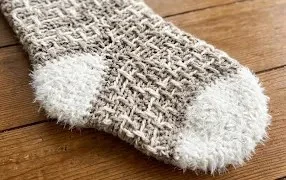
Your finished stocking brings a handmade touch to the holidays, with mosaic colorwork that gives it a clear pattern and plenty of texture. For a simple variation, swap the traditional red and white for forest green and cream, or choose colors that match your tree and mantel. You can also adjust the yarn choice for a softer or firmer fabric, while keeping in mind that a different yarn may change the finished size. Share a photo of your stocking on Pinterest or social media so other crocheters can see your color choices. When you’re ready for another seasonal project, explore more free crochet patterns on the blog.