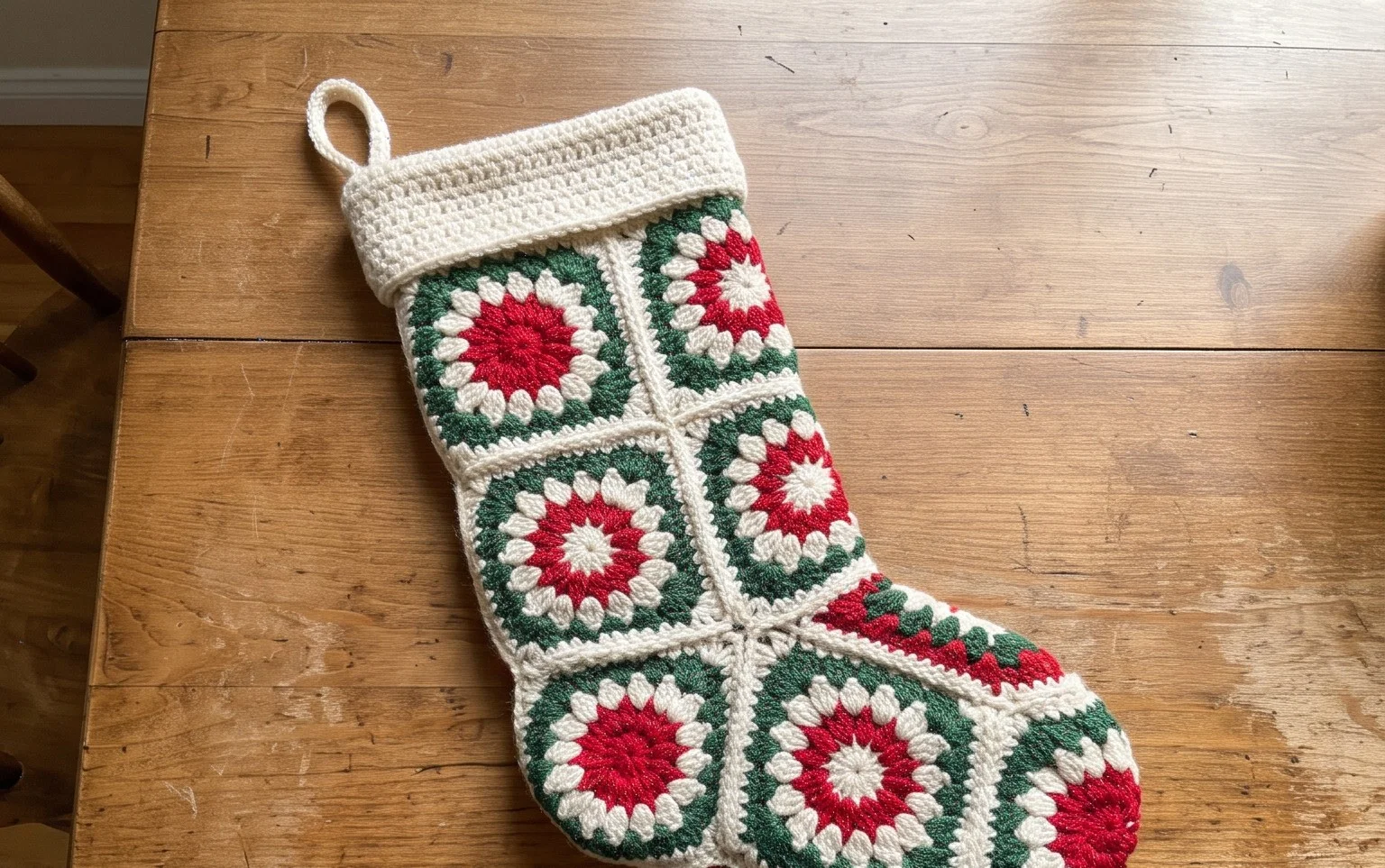
Crochet Christmas Quilt Washcloth for a Festive Kitchen Gift
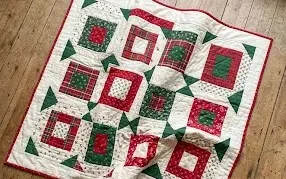
Red, green, and cream crochet squares give a Christmas quilt its familiar patchwork look, while the joined fabric feels soft and warm across a sofa or the end of a bed. This project suits beginners who are comfortable with basic crochet, as well as gift makers and anyone who enjoys changing the look of a room with handmade decor. Working a set of squares lets you build the quilt a little at a time, so you can make progress between other holiday preparations. You’ll learn how consistent stitches and careful joining help the blocks sit neatly together, with practical guidance for keeping the edges even. Choose classic seasonal shades or adjust the palette to match your home, then enjoy seeing the separate pieces come together into one cozy layer.
Why You’ll Love This Pattern
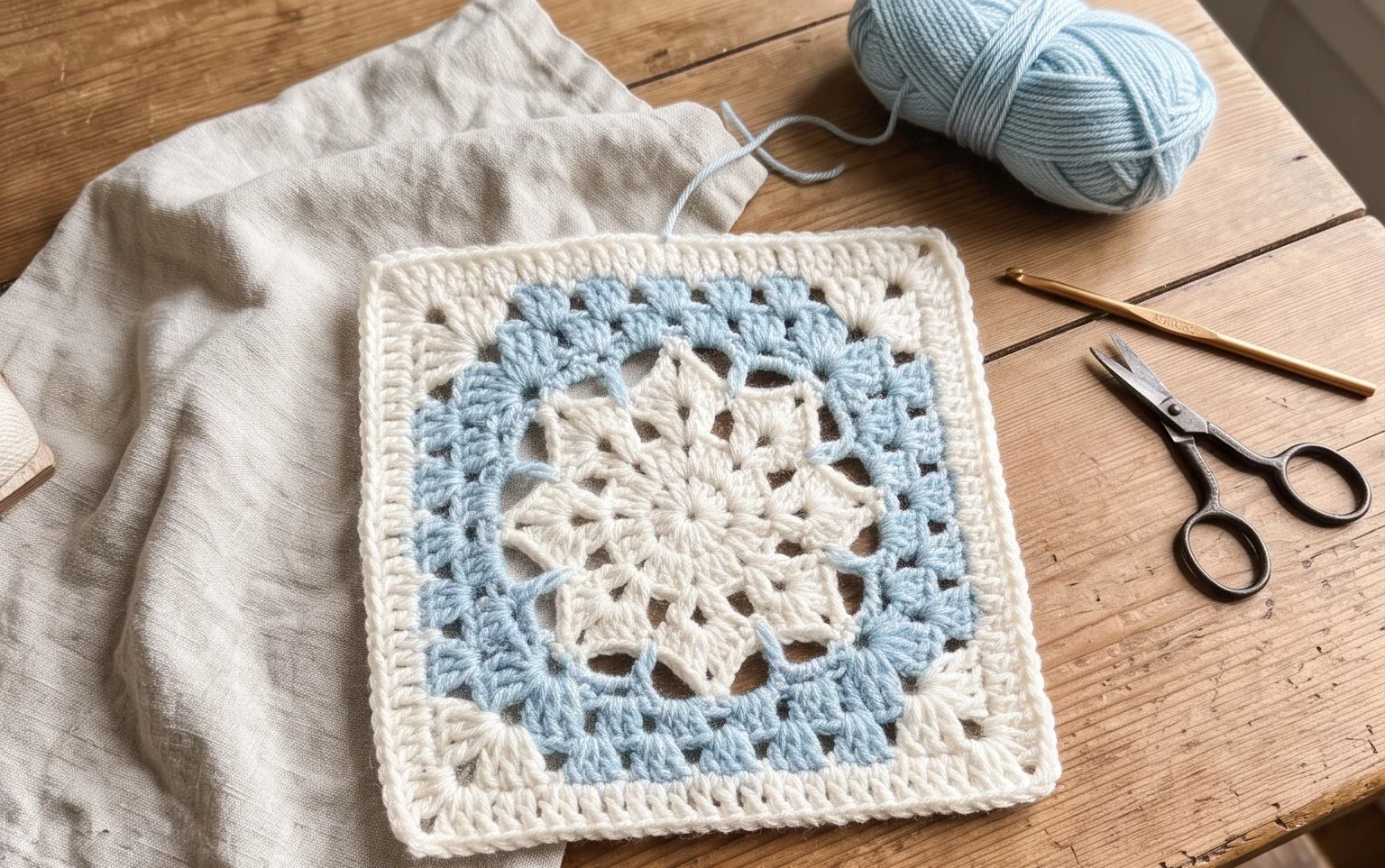
A square of smooth cotton makes a useful crochet washcloth for the kitchen, bathroom, or a small handmade gift. This beginner-friendly pattern uses single crochet in straight rows, so you can focus on even tension rather than learning a complicated stitch repeat. The fabric is firm enough for everyday washing, and the simple shape is easy to measure as you work.
The pattern uses about 100 yards of worsted-weight cotton, which makes it a practical way to use a partial skein. It also works up at a steady pace: most crocheters can finish the square in roughly two to three hours, depending on their row speed and experience.
I made mine in one evening, and the simple rows helped me get more even with my tension. It has held its shape after washing.
— Maya, beginner crocheter
Pattern Overview & Skill Level
- Skill Level: Beginner. You need to chain and work single crochet.
- Approximate Time: Two to three hours, not including washing or drying.
- Construction: The washcloth is worked flat in rows from the bottom edge upward. Each row has 24 single crochet stitches.
- Finished Dimensions & Sizing: About 8 × 8 in (20 × 20 cm) after washing and drying, using the suggested yarn and hook. Small differences in tension may change the finished measurements.
Materials & Supplies Needed
- Yarn: About 100 yd (91 m) of worsted-weight (#4) 100% cotton yarn. One solid color makes the row texture easy to see; use a light or medium shade if you are learning to count stitches.
- Hook Size: 5.0 mm / H-8 crochet hook.
- Notions: Tapestry needle for weaving in the ends, scissors, and a ruler or tape measure. A locking stitch marker can mark the first stitch of a row.
- Substitutions: Choose another 100% cotton yarn of similar thickness for a comparable absorbent cloth. Cotton blends can feel softer or drape more, while acrylic is less absorbent and may not suit a washcloth. Thinner yarn or a smaller hook makes a smaller, denser cloth; thicker yarn or a larger hook makes it larger and uses more yarn. Check the label for care instructions.
The gauge is approximately 16 single crochet stitches and 18 rows per 4 in (10 cm), measured after washing and drying. Make a small swatch if you want to check your tension before starting. If it is wider or narrower than 4 in, adjust your hook size and measure again.
Stitch Guide & Abbreviations (US Terms)
- ch = chain.
- sc = single crochet. Insert the hook in the stitch, yarn over and pull up a loop, yarn over again, then pull through both loops.
- st(s) = stitch or stitches.
- rep = repeat.
- sl st = slip stitch. Insert the hook in the stitch, yarn over, and pull through the stitch and the loop on the hook. This pattern uses it only if you prefer to secure the yarn before weaving in the last end.
The turning chain does not count as a stitch. Work the first sc into the first stitch of each row, not into the base of the turning chain. This keeps the edges straight and the count consistent.
Step-by-Step Pattern Instructions
Washcloth
- Foundation: With the 5.0 mm hook, ch 25. The foundation chain sets up 24 working stitches; the extra chain is the turning chain.
- Row 1: Sc in the second ch from the hook and in each ch across. Turn. (24 sts)
- Rows 2–30: Ch 1, sc in each st across, turn. Repeat this row 29 times, keeping 24 stitches in every row. (24 sts per row)
Measure the fabric after Row 30. With the suggested yarn and gauge, it should be close to 8 in (20 cm) long and wide. If your row gauge differs slightly, the cloth may be a little longer or shorter; the essential check is to keep 24 stitches across and work straight edges.
Finishing
- After Row 30, fasten off, leaving a tail long enough to weave in securely. Pull the yarn through the final loop.
- Thread the tail onto a tapestry needle. Weave it through several stitches on the wrong side, change direction, and weave through a few more stitches so it is less likely to come loose. Repeat with the foundation end.
- Wash and dry the cloth according to the yarn label, then lay it flat and smooth the edges into a square. Let it dry fully before storing or gifting.
Care & Washing Instructions
- For cotton yarn, wash in warm water if the label permits; use a gentle cycle or hand-wash to help the edges stay neat.
- Dry flat, or tumble-dry on a low setting only if the yarn label allows it.
- While damp, reshape the cloth into a square and smooth the corners; blocking is usually unnecessary for a washcloth.
Pro Tips & Common Mistakes to Avoid
- Keep your turning chain loose and make the first and last single crochet of every row carefully. Tight edge stitches can pull the cloth inward and make it narrower at the top.
- Count the stitches at the end of each row. Place a marker in the first stitch if you tend to miss it; the turning chain does not take the place of that stitch.
- Weave in each end on the wrong side, changing direction once or twice. A short tail pulled through only one row of stitches can work loose with repeated washing.
- To make a wider cloth, add chains to the foundation, but remember the working stitch count is one less than the chain count. Add the same number of rows if you want to keep a square shape. A larger cloth needs more yarn; a smaller hook also makes denser fabric and can reduce the finished dimensions.
Frequently Asked Questions
Can I use a different yarn fiber?
You can use another yarn, but fiber changes how the cloth feels and works. Cotton is absorbent and handles repeated washing well. A cotton blend may be softer, while acrylic usually absorbs less. Follow the yarn label for washing and drying.
How can I make the washcloth smaller or larger?
For a narrower cloth, start with fewer chains while keeping one extra chain for turning. For a wider cloth, add chains. Work more or fewer rows to change the length. Measure as you go, and expect a larger cloth to use more yarn.
Is this pattern suitable for a first crochet project?
Yes. It uses only chains and single crochet worked back and forth. The main challenge is keeping 24 stitches in every row, so count each row until the edges look even. If your first rows are uneven, you can unravel and try again without affecting the rest of the project.
May I sell washcloths made from this pattern?
Check the designer’s terms before selling finished items, and describe the materials honestly. If you sell the cloth, include care information from the yarn label and do not present the written pattern as your own.
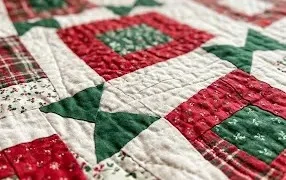
Once the last squares are joined, you’ll have a soft patchwork layer that brings a handmade touch to holiday decorating and stays useful long after the season ends. For a simple variation, swap the traditional red and green for cream, forest green, and a little gold-toned yarn, or make fewer squares for a smaller throw. Take a photo of your finished quilt on the sofa or folded at the foot of a bed and share it on Pinterest or social media. I’d love to see the colors you chose. When you’re ready for another project, explore more free crochet patterns on the blog for ideas to make throughout the year.